
There’s something truly special about Morocco that’s hard to put into words. Maybe it’s the way sunlight filters through the souk rooftops, or how the desert silence feels almost alive at night. After years of guiding travelers through my homeland, I can tell you honestly—this Marrakech Imperial City Tour 8 Day in Morocco captures the very best of what makes this country magical.
I’ve designed this route not just to show you famous places, but to help you feel Morocco. The kind of feeling that stays with you long after you’ve returned home. From the moment we meet in Marrakech until your departure, every stop along the way has been chosen with care, intention, and a deep love for this land.
Let me walk you through what awaits.
Look, I could list monuments and attractions all day. But what really matters is how this journey will make you feel.
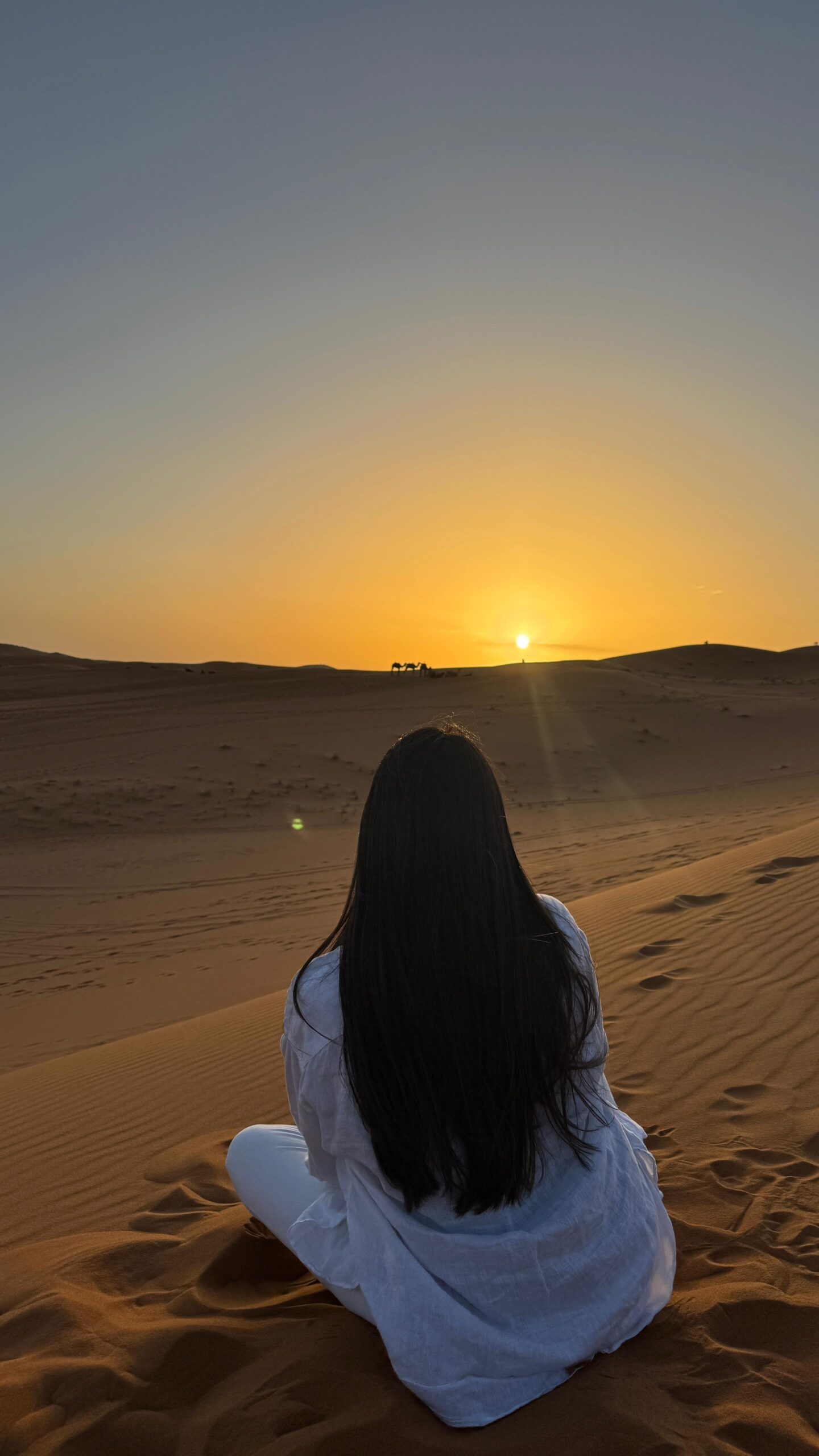
When you stand at the edge of the Sahara as the sun dips below endless dunes, when you taste your first authentic tagine cooked by Berber hands, when you get lost (and found) in the blue alleyways of Chefchaouen—those moments become part of you.
This tour gives you:
Real connections with local families, artisans, and nomadic communities
Perfect pacing that balances adventure with moments to simply breathe and absorb
Hidden corners that most tourists never see, even in the most famous cities
Freedom within structure—enough guidance to feel secure, enough flexibility to follow your curiosity
We’ll meet in Marrakech, where your adventure truly begins. But instead of spending the day in the city (we’ll return later), we head straight for the mountains.
The drive over the High Atlas Mountains through the Tizi n’Tichka pass is something else entirely. The road twists and turns, climbing higher and higher, and with every switchback, the views become more dramatic. Tiny Berber villages cling to mountainsides exactly as they have for centuries. Kids wave as we pass. Women in colorful clothes tend small gardens terraced into impossibly steep slopes.
By midday, we reach Ait Ben Haddou. This place stops people in their tracks. A fortified village made of red earth, rising from the landscape like something from a dream—actually, more like something from a movie set, because Hollywood has filmed here more times than I can count. Gladiator, Game of Thrones, The Mummy—they’ve all left footprints in these narrow alleys.
We’ll climb to the top together, and I’ll show you where locals still live among the ancient structures. The view from up there, looking out over the Ounila Valley, is worth the walk alone.
As evening approaches, we continue through the Valley of the Roses. If you’re here in spring, the scent fills the air. We end our day in the Dades Valley, where dramatic rock formations catch the last golden light. Your riad for the night sits among palm groves, and dinner will be a family affair—probably their famous chicken tagine with preserved lemons.
Wake up to birds singing in the valley. After breakfast, we drive through what locals call the “Road of a Thousand Kasbahs.” Every bend reveals another ancient fortress, some crumbling beautifully, others restored to their former glory.
Then we reach Todra Gorge. Words don’t really do it justice. Imagine towering limestone cliffs rising straight up on both sides, so high you have to tilt your head way back to see the sky. A narrow canyon where the rock walls glow orange and pink. Some travelers stretch their legs with a walk along the canyon floor. Others just sit and stare. Both are perfectly fine choices.
Lunch today might be by the river, simple grilled meats and fresh salad, before we continue toward the desert.
The landscape shifts gradually at first, then dramatically. Greenery gives way to rocky plateau, which eventually surrenders to sand. By late afternoon, we reach Merzouga and the edge of the Erg Chebbi dunes.
Now for the moment you’ve been waiting for—camel trek into the desert.
Your camel, or “ship of the desert” as we call them, will kneel down so you can climb aboard. There’s a gentle swaying motion as they stand, and then you’re off, following our camel guide into a sea of sand. The trek takes about an hour, and I promise you, watching those dunes grow larger as the sun begins its descent is pure magic.
Our camp sits nestled among the tallest dunes. Tents with proper beds, warm blankets, and a dining tent where dinner awaits. After eating, someone will likely bring out a drum, and soon enough, we’re all singing under a blanket of stars so thick it feels like you could reach up and touch them.
Set your alarm early today. Sunrise over the Sahara is worth every bit of lost sleep. The way the light changes, the colors shifting from deep purple to soft pink to brilliant gold—it’s a show nature puts on just for those willing to wake up for it.
After breakfast at camp, we ride back to Merzouga, but the day’s adventures are just beginning.
Today is about understanding desert life beyond the postcard images. We’ll visit Khamlia village, home to Gnawa musicians whose ancestors came from sub-Saharan Africa generations ago. Their music—deep rhythms, soulful singing, metal castanets called qraqeb—tells stories of displacement, survival, and joy. They’ll likely pull you into dancing. Go with it. Everyone does.
Nearby, we might meet a nomadic family. Their black tents blend into the landscape, but inside, hospitality runs deep. Mint tea will appear as if by magic. You’ll learn how they move with the seasons, following water and grazing for their goats. These encounters remind you that despite all our modern comforts, some choose a different path—one that’s been working for thousands of years.
Later, we drive to the edge of the dunes where fossils lie scattered across the desert floor. Millions of years ago, this was ocean. Now you can hold evidence of that in your hands.
Back at our hotel in Merzouga, there’s time to shower off the sand, rest by the pool, or climb a nearby dune to watch the sunset a second time. Every sunset here is different. Every one worth watching.
Today is a long drive, but such a beautiful one. We follow the Ziz Valley north, where the road cuts through endless palm groves. Thousands of date palms stretch as far as you can see, green against the brown earth.
Around midday, we reach Midelt, a small town straddling the border between the Middle and High Atlas. The air feels different here—cooler, crisper. We stop for lunch, probably at a place known for its grilled trout from local rivers.
The scenery transforms again as we climb into cedar forests near Azrou. Keep your eyes open for Barbary apes along the roadside. These macaques are wild but accustomed to visitors. They’ll pose for photos, especially if someone has nuts or fruit. Just be careful—they’re quick and not above snatching food right from your hand.
Then comes the surprise. Ifrane. You might laugh when I say this is Morocco’s Switzerland, but one look at the alpine chalets, manicured gardens, and red rooftops, and you’ll understand. It feels completely different from anywhere else in the country—clean, orderly, almost European. A quick photo stop, maybe a coffee, then onward.
By evening, we arrive in Fes. The spiritual and intellectual heart of Morocco. Dinner tonight is at your riad inside the medina, and if you listen carefully from your rooftop terrace, you can hear the call to prayer echoing across the ancient city.
Fes requires patience and good shoes. This medina—Fes el-Bali—is the world’s largest car-free urban area. Over 9,000 streets and alleyways twist and turn, dead-end and reconnect. Getting lost is inevitable. Having a guide is essential.
We start at the Bou Inania Medersa, a 14th-century Islamic school where intricate tilework, carved plaster, and cedar wood ceilings showcase craftsmanship that modern builders still struggle to replicate. Students once lived in tiny cells around the courtyard, studying Quran and law.
Then we head deeper into the medina. Past spice shops piled high with colorful powders. Past metalworkers hammering brass into lanterns. Past weavers, dyers, and carpenters, all working in spaces no bigger than a closet, using techniques passed down through generations.
The Chouara Tanneries are next. You’ll smell them before you see them. From a surrounding terrace, we look down into stone pits filled with dye—yellow from saffron and pomegranate, red from poppy, blue from indigo. Workers move among the vats, treating hides exactly as they have for centuries. Leather goods from these tanneries end up in shops worldwide.
We’ll also visit the Al Quaraouiyine University, founded in 859 by a woman named Fatima al-Fihri. Yes, a woman. It’s recognized by UNESCO and Guinness World Records as the oldest continually operating university on earth. Non-Muslims can’t enter the prayer hall, but the courtyard view from the entrance is enough to feel the weight of all those centuries of learning.
Lunch might be at a rooftop restaurant overlooking the medina. Afternoon free for wandering, shopping, or simply sitting in a cafe watching life flow by. Fes rewards those who slow down.
Leaving Fes behind, we wind toward the Rif Mountains. The landscape changes—greener, more rugged. Small farms dot the hillsides. The air carries hints of earth and wild herbs.
Then Chefchaouen appears, tucked into the mountainside like a secret. And oh, that blue.
Everywhere you look—blue walls, blue doorways, blue steps, blue flower pots. Different shades, different textures, but all somehow working together. No one knows exactly why the town is painted this way. Some say Jewish refugees introduced the tradition, representing sky and heaven. Others say blue keeps mosquitoes away or simply keeps houses cool. Whatever the reason, the effect is pure magic.
We’ll wander together through the medina, much smaller and more relaxed than Fes or Marrakech. Goats sometimes wander the streets. Cats nap in sunny spots. Shopkeepers greet you without pressure to buy.
The main square, Outa el Hammam, buzzes with cafes and restaurants. Try the goat cheese here—it’s a local specialty, often served with honey and walnuts. Kids play soccer in the square while elders sip tea and watch.
You have the afternoon to explore on your own terms. Maybe climb to the Spanish Mosque for panoramic views as sunset approaches. Maybe get lost in blue alleyways, camera always ready. Maybe just sit in a cafe and do nothing at all. Chefchaouen encourages that kind of thing.
We leave the mountains behind and head for the coast. First stop, Rabat.
Morocco’s capital often gets overlooked by travelers rushing between bigger cities, and that’s a shame. Rabat has a calm dignity that grows on you. The Hassan Tower stands incomplete—work stopped when the sultan died in 1199—but what remains is impressive enough. Across from it, the Mausoleum of Mohammed V houses tombs of the late king and his sons. The craftsmanship inside rivals anything in Fes or Marrakech.
We drive through the Kasbah of the Oudayas, with its blue and white streets, then continue to Casablanca.
This is Morocco’s business heart, modern and bustling. But one thing here reaches back into history—the Hassan II Mosque. Perched on the edge of the Atlantic, it’s one of the largest mosques in the world. Its minaret soars 210 meters high. Parts of the floor are glass, allowing worshippers to pray directly over the sea. The craftsmanship combines traditional Moroccan artistry with modern engineering in ways that leave visitors speechless.
We’ll visit inside if timing allows. Evening is free to explore the Corniche, Casablanca’s seaside promenade, with its cafes and restaurants.
Our final morning together. Depending on your flight, we might have time for a last Moroccan breakfast—msemen flatbread with honey and olive oil, fresh orange juice, strong coffee.
Then we drive back to Marrakech, watching the landscape shift one final time. Farms and fields, towns and villages, mountains in the distance.
At the airport, we say goodbye. But here’s the thing about Morocco—it has a way of staying with you. Months later, you’ll catch a scent that reminds you of the spice market. Or hear music that takes you back to desert drums under stars. And maybe, just maybe, you’ll start planning your return.
Q: I’m traveling alone. Will I feel safe and welcome?
Absolutely. Solo travelers join my tours regularly, and many become friends by journey’s end. Morocco is generally safe and welcoming, though like anywhere, awareness matters. As your guide, I’m with you through the entire journey, handling logistics and offering advice. You’ll never feel lost or alone.
Q: How difficult is the camel trek? Will it hurt?
Honestly? The first 20 minutes might feel strange. Camels have a particular rocking motion, and your body needs time to adjust. But discomfort usually fades quickly. The trek lasts about an hour—enough to feel like an adventurer, not so long that you’re sore for days. If mobility concerns you, we can arrange alternative transport to the camp.
Q: What about food? I have dietary restrictions.
Moroccan cuisine works well for most dietary needs. Tagines come with meat, chicken, or vegetables. Salads are fresh and abundant. Bread accompanies every meal. We have couscous, grilled fish, lentils, and more. Just let me know your restrictions beforehand, and I’ll ensure restaurants and riads accommodate you.
Q: Can I use credit cards, or should I bring cash?
Bring cash for markets, small shops, and tips. Many riads and larger restaurants accept cards, but smaller vendors deal in cash only. ATMs exist in all cities, but having some dirhams on hand when we reach smaller towns makes life easier.
Q: What should I pack?
Comfortable walking shoes top the list—those medina streets are uneven. Layers matter too; mornings and evenings can be cool even when days are warm. Modest clothing for religious sites (covering shoulders and knees). Sun protection—hat, sunglasses, sunscreen. A scarf works wonders for sun, dust, or covering hair if you choose. And leave space in your luggage for whatever treasures you’ll bring home.
Q: Is this tour suitable for children or older travelers?
Families with children have enjoyed this route, and I adjust pacing as needed. Older travelers with reasonable mobility manage fine—we never rush, and accommodations are chosen with comfort in mind. If you have specific concerns, just ask. Flexibility is part of what I offer.
Q: When’s the best time for this journey?
Spring (March to May) brings wildflowers and mild temperatures. Autumn (September to November) offers similar weather with fewer crowds. Summer works but runs hot, especially in Marrakech and the desert. Winter brings cold nights but clear, beautiful days. Each season has its charm.
This Marrakech Imperial City Tour 8 Day in Morocco isn’t just a route on a map. It’s eight days of moments that become memories. The taste of sweet mint tea after a long drive. The sound of drums echoing across desert sands. The feel of ancient stones worn smooth by centuries of footsteps. The faces of people who welcome you into their world, if only for a little while.
I’d be honored to share my country with you. To show you the places I love, introduce you to friends I’ve made along these roads, and help you discover your own Morocco.
The journey awaits. All you have to do is begin.