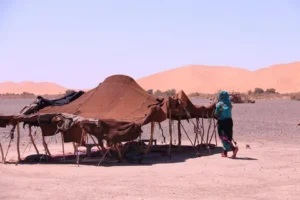
3-Day Marrakech Desert Tour Itinerary To Merzouga: Ultimate Sahara Experience 2026/2027
3 Day Marrakech Desert Tour to Merzouga. Ride camels over Erg Chebbi dunes, sleep under Saharan stars, and explore kasbahs. Book your Morocco adventure today!

3 Day Marrakech Desert Tour to Merzouga. Ride camels over Erg Chebbi dunes, sleep under Saharan stars, and explore kasbahs. Book your Morocco adventure today!
4 days Marrakech desert tour to Merzouga’s Erg Chebbi. Discover the Atlas, Aït Benhaddou, Dades & Todra Gorges. Perfect itinerary with camel trek & desert camp.
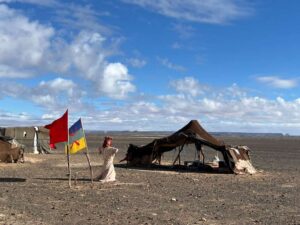
5 Day Desert Itinerary From Marrakech Dreaming of epic landscapes, golden dunes, and ancient kasbahs? This 5-day desert itinerary from Marrakech is the perfect adventure, blending dramatic mountain passes, lush oases, and the silence of the Sahara. Designed for first-timers, this route covers the iconic Merzouga desert tour, the stunning Dades Valley, and the UNESCO site of Ait Benhaddou. Let’s hit the road!
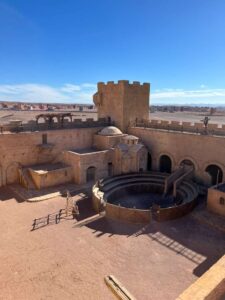
6 Day Desert Itinerary from Marrakech Dreaming of epic dunes, ancient kasbahs, and starlit Sahara nights? This carefully crafted 6-day desert itinerary from Marrakech is your perfect guide. Designed for adventure and immersion, this Morocco desert tour takes you from the bustling Red City, over the High Atlas Mountains, and into the heart of the golden Erg Chebbi. Whether you’re a solo traveler, couple, or family, this journey offers an unforgettable Morocco desert experience.
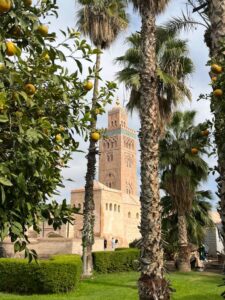
7 day desert itinerary from Marrakech is the quintessential Moroccan adventure. This perfectly paced journey takes you from the vibrant Red City, over the majestic High Atlas Mountains, through sprawling palm oases, and into the heart of the golden Saharan dunes at Erg Chebbi. Our expertly crafted Morocco desert tour blends natural wonders, ancient kasbahs, and rich cultural encounters, offering an unforgettable experience from start to finish. This guide provides a detailed, day-by-day breakdown of what many consider the best Morocco itinerary for first-time visitors.
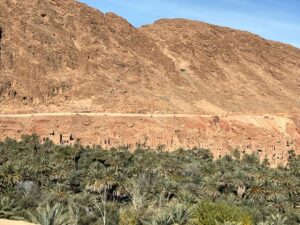
8 day desert itinerary from Marrakech is more than a trip; it’s a curated passage through the soul of Morocco. From imperial cities to epic dunes, every day unveils a new wonder. Ready to turn this dream into reality? Start planning your ultimate 8 day Morocco desert itinerary today and prepare for an unparalleled adventure.
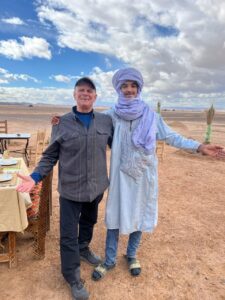
9 Day Desert Itinerary From Marrakech Dreaming of epic landscapes, ancient kasbahs, and nights under the Saharan stars? This meticulously crafted 9 Day Desert Itinerary From Marrakech is your passport to the heart of Morocco’s most iconic sights. It blends cultural immersion, historical discovery, and breathtaking natural wonders, taking you from the bustling souks of Marrakech to the silent majesty of the Erg Chebbi dunes.
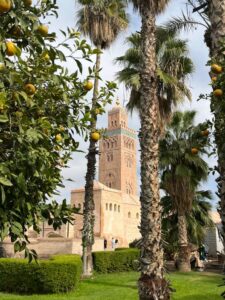
10 Day Desert Itinerary From Marrakech Morocco Trip Are you dreaming of experiencing Morocco’s diverse landscapes – from the golden dunes of the Sahara to the rugged Atlas Mountains and the stunning Atlantic coastline? This comprehensive 10 Day Desert Itinerary From Marrakech offers the perfect blend of desert adventure, cultural immersion, and coastal relaxation. Unlike shorter tours, this extended journey gives you ample time to truly absorb the magic of southern Morocco while adding unique coastal destinations to your experience.
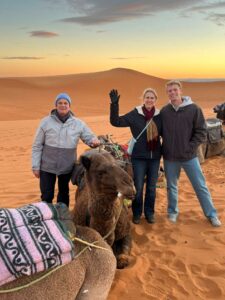
3 Days from Marrakech to Erg Chebbi Desert Morocco
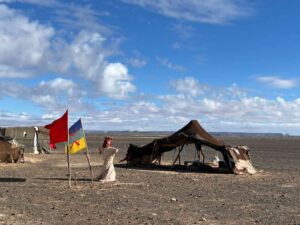
5 Days From Marrakech To Erg Chebbi Have you ever dreamt of trading city buzz for the profound silence of the desert, of watching the sunrise over oceans of golden sand, and sleeping under a blanket of stars? A 5-day desert tour from Marrakech to the Erg Chebbi dunes of Merzouga is the quintessential Moroccan adventure, and it’s closer than you think.
This isn’t just a drive; it’s a journey through the soul of Morocco. From the towering peaks of the Atlas Mountains to the lush palmeraies and onto the awe-inspiring Sahara Desert, every moment is a postcard waiting to be lived. I’ve crafted this unique Morocco desert tour itinerary to give you more than just highlights—it’s a deep dive into landscapes, culture, and unforgettable experiences.
Let’s map out your perfect 5 Days From Marrakech to Erg Chebbi.
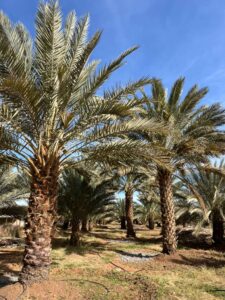
The Best 6 Days From Marrakech To Erg Chebbi Morocco 2027 Dreaming of trading the bustling souks for endless golden sands? A 6-day expedition from Marrakech to the Erg Chebbi dunes in Merzouga is the quintessential Moroccan adventure. This journey is more than just a desert tour; it’s a passage through the soul of Morocco, crossing majestic mountains, lush valleys, ancient kasbahs, and culminating in the breathtaking silence of the Sahara.
This comprehensive guide details a handcrafted itinerary designed for depth, discovery, and unforgettable experiences. We’ll walk you through each day’s highlights, offering practical insights to help you plan your perfect escape to the dunes.
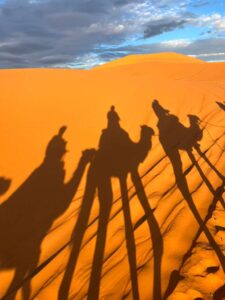
The Best 7 Days From Marrakech To Erg Chebbi Dunes Morocco Navigate the stunning Tizi n’Tichka pass, witnessing landscapes transform before your eyes.
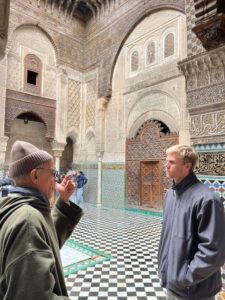
8 Days From Marrakech To Erg Chebbi Describe the dramatic climb over the Tizi n’Tichka pass. Don’t just say “visit Ait Benhaddou”; describe its UNESCO status and film fame. Mention the transition into the “Route of a Thousand Kasbahs
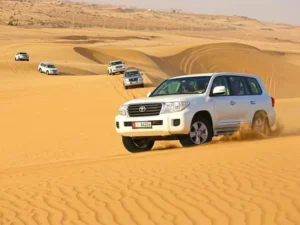
Rent a Car with Driver in Morocco Modern SUV for rent with a driver in Morocco, ideal for families and mountain travel.
Best Car Rental with Driver in Marrakech | Private Chauffeur Experience Marrakech stress-free with our premium car & driver service. Skoda, Mercedes & VW fleet for desert trips, Atlas tours & airport transfers. Bilingual drivers, WiFi included.
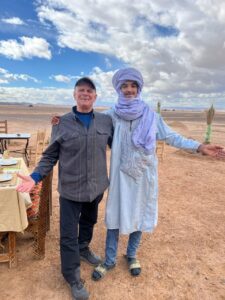
9 Days From Marrakech To Erg Chebbi Discover Morocco in 9 days! Our private desert tour from Marrakech includes Merzouga Sahara luxury camp, camel trekking, Fes, Chefchaouen, Rabat & Casablanca. Perfect 9-day Morocco itinerary with Erg Chebbi dunes experience. Book your adventure today!
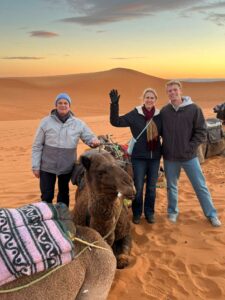
The Best Three Day Marrakech Desert Trip: Morocco 2027
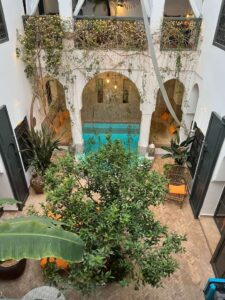
The Best Four Day Marrakech Desert itinerary The call of Morocco is a siren song of vibrant souks, ancient history, and vast, silent landscapes. While Marrakech captivates with its intoxicating energy, the soul of the country often lies beyond its walls, along winding mountain passes and across oceans of sand. For the traveler seeking this profound connection without sacrificing depth for time, the 4-day Morocco desert tour from Marrakech emerges as the perfect alchemy of adventure and immersion. This isn’t merely a trip; it’s a curated passage through geological time and living culture, a 4-day itinerary designed to sear the essence of Morocco into your memory.
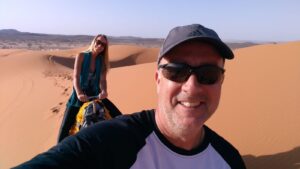
The Best Five Day Marrakech Desert Itinerary: Morocco 2027 Dreaming of an unforgettable 5 days Morocco tour package that takes you from the vibrant streets of Marrakech to the golden dunes of Merzouga? This comprehensive guide details every spectacular destination you’ll encounter on the classic 5 day Marrakech desert itinerary. Whether you’re booking a private five days Morocco desert tour from Marrakech or joining a group, understanding these iconic stops will enhance your journey through Morocco’s most breathtaking landscapes.
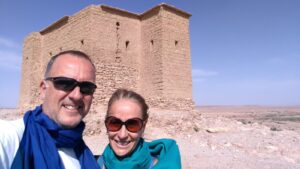
Six Day Marrakech Desert Tour Are you dreaming of epic landscapes, ancient kasbahs, and nights under the Saharan stars? Our meticulously crafted Six Day Marrakech Desert Tour is the perfect adventure. This private tour from Marrakech to Sahara Desert 6 days is more than just a trip; it’s a deep dive into the heart of Morocco’s most iconic sights. We’ve designed this 6 Days Morocco Desert Tour from Marrakech to offer an unforgettable blend of culture, history, and natural wonder, all from the comfort of your own private vehicle.
This comprehensive Marrakech tour packages 6 days itinerary takes you from the bustling Red City, over the High Atlas Mountains, through Hollywood-famous kasbahs, into the golden dunes of Erg Chebbi, and onto the imperial cities of Fes and Casablanca. Let’s explore what each day of this incredible Marrakech to Merzouga via Gorge 6 days journey holds for you.
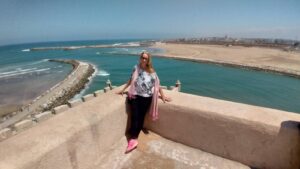
The Best Marrakech Desert Tour Seven Day, 4 Imperial Cities
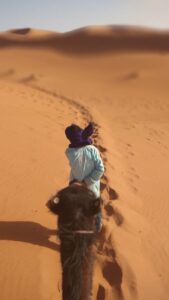
The Best Marrakech Desert Tour Eight Day: Morocco Trip 2027 The call of the Sahara is a powerful, ancient whisper, promising adventure, silence, and stars that touch the earth. Answering that call with a comprehensive Marrakech Desert Tour is the dream of discerning travelers. Specifically, an eight-day Morocco desert itinerary from Marrakech offers the perfect canvas to experience the country’s staggering diversity—from ochre-red cities and snow-capped peaks to golden dunes and Atlantic shores. This isn’t merely a trip; it’s a curated passage through the heart of Morocco, designed for those who seek depth, comfort, and unforgettable moments.
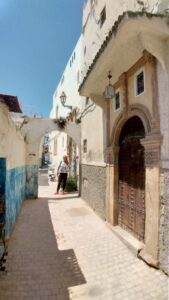
The Best Marrakech Desert Trip Nine Day / Morocco In 2027 A premier desert trip from Marrakech is about the journey as much as the destinations. It’s a story told through diverse landscapes and cities.
Your adventure begins in Marrakech, a city of vibrant energy. The red walls, the sensory overload of Jemaa el-Fnaa, and the hidden riads set the stage. But soon, you ascend into the Atlas Mountains, where Berber villages cling to hillsides and the air grows crisp. Here lies the legendary Ait Ben Haddou, a UNESCO ksar that looks like a sandcastle sculpted by time. Nearby, Ouarzazate reveals Morocco’s cinematic side, a gateway to the desert.
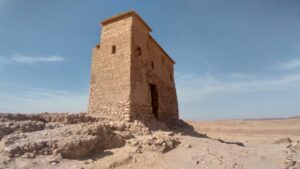
Your Ultimate Marrakech Desert Trip Ten Days Morocco desert tour itinerary from marrakech
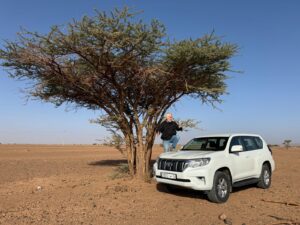
The Best Morocco Chauffeur Service | Private Car With Driver
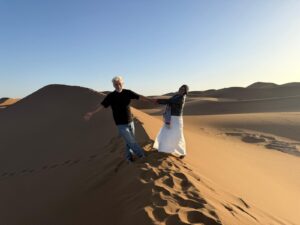
The Best Erg Chebbi Tour From Marrakech | Sahara Morocco 27 Welcome to Rachid Morocco Tours! Embarking on an Erg Chebbi tour from Marrakech is more than just a trip; it is a journey through the heart of Morocco. You will traverse the towering High Atlas Mountains, explore ancient kasbahs, and finally arrive at the golden, majestic dunes of Erg Chebbi. This page covers everything you need to know to plan your perfect Sahara adventure.
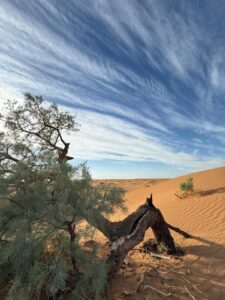
The Best Marrakech to Merzouga 4 Day Tour – Road Trip 2027 A journey from the bustling souks of the Red City to the tranquil, star-lit skies of the Sahara is a quintessential Moroccan experience. If you are dreaming of golden landscapes and Berber hospitality, our Circuit Marrakech Merzouga – Excursion 4 day is the perfect adventure. This Road trip Marocco is designed to balance driving time with immersive cultural stops, taking you from the high peaks of the Atlas Mountains to the massive dunes of Erg Chebbi.



